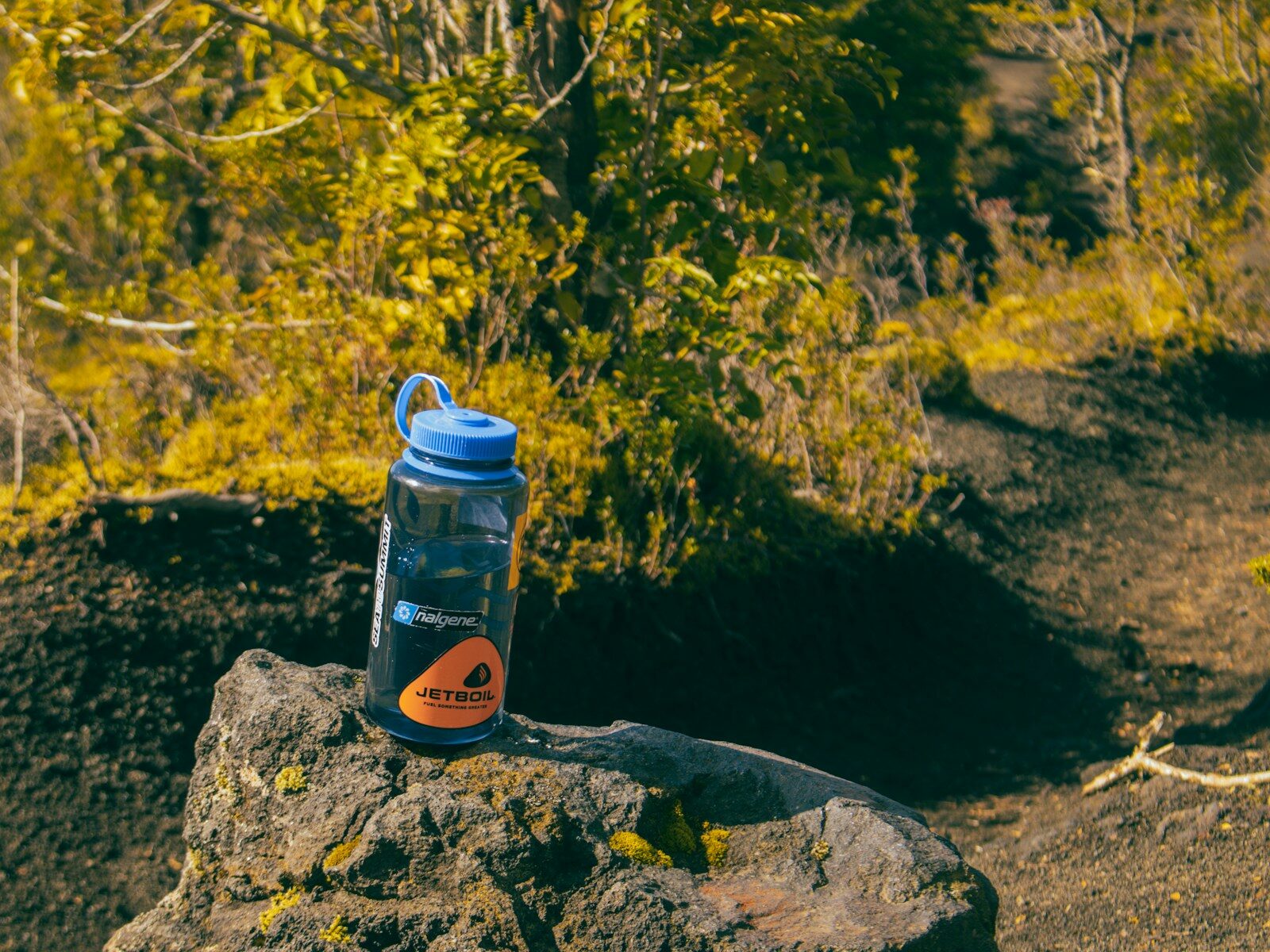
Hydration and Water Purification: How Much to Carry and How to Treat Trail Water
Dehydration is the most common cause of reduced hiking performance and impaired judgment on trail. Mild dehydration — a two-percent loss of body weight in fluid — produces measurable decreases in cognitive function, coordination, and endurance. The management is straightforward: drink consistently throughout the hike rather than in response to thirst, and carry adequate water for the planned route with a safety margin.
How Much to Carry
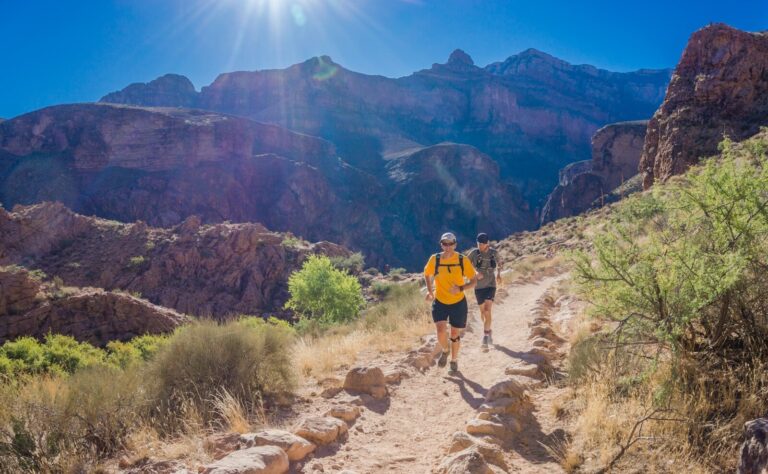
The general guideline of half a liter per hour of moderate hiking is a starting point adjusted by temperature, altitude, and individual sweat rate. On hot days or during strenuous climbing, one liter per hour is more appropriate. Carry at minimum the amount needed for the planned route plus at least 20 percent extra. On desert trails without water sources, carry three liters or more from the trailhead. On trails with reliable water sources, carrying two liters and refilling with a filter is adequate.
Water Purification Methods
Even clear, fast-moving mountain streams can contain Giardia, Cryptosporidium, and bacteria. Filters like the Sawyer Squeeze remove protozoa and bacteria but not viruses — appropriate for most North American backcountry where viral contamination is uncommon. Chemical treatment with chlorine dioxide tablets treats all pathogen types but requires 30 minutes contact time. UV purifiers like the SteriPen treat viruses rapidly but require clear water and a functioning battery. Choose based on your specific destination’s pathogen profile and your acceptable preparation time.