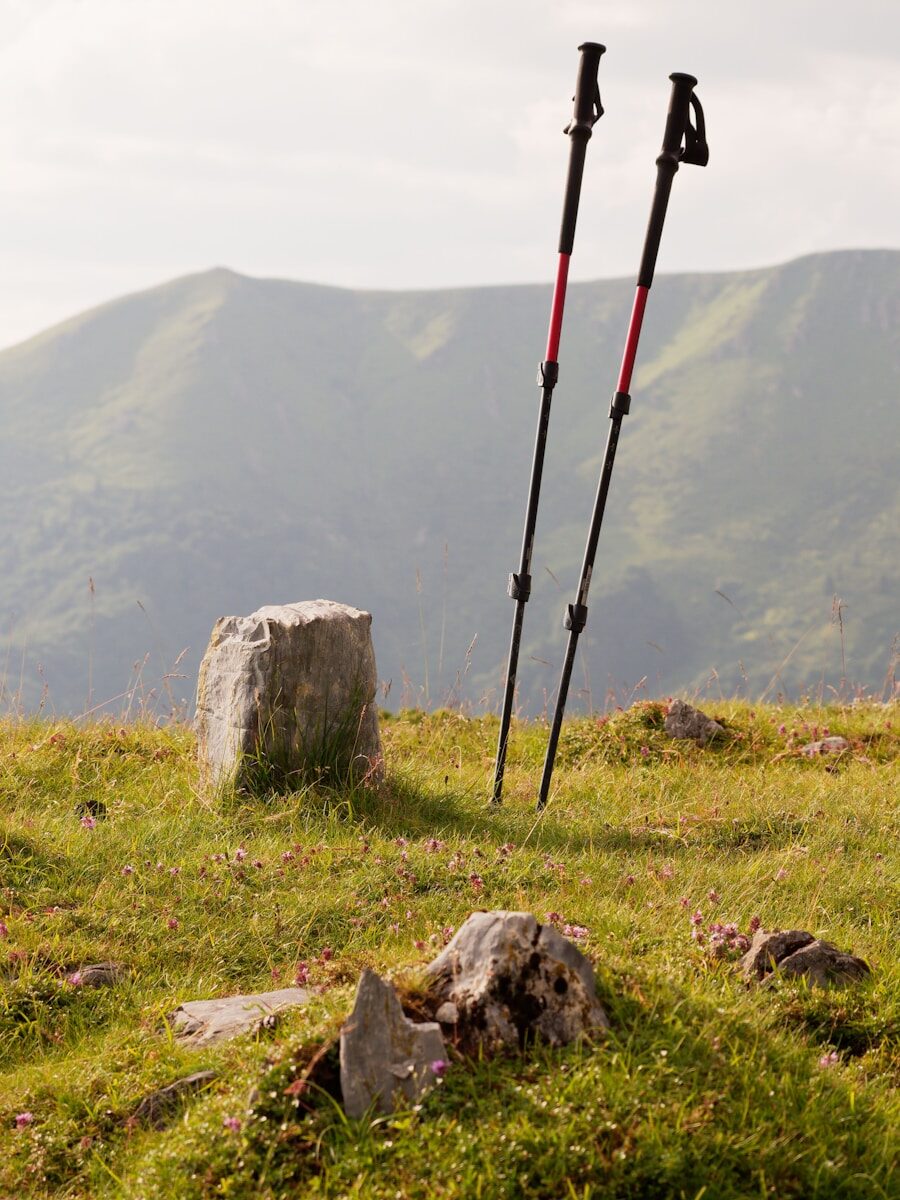
Trekking Poles: Who Needs Them and How to Use Them Correctly
Trekking poles are among the most visible gear items on any busy trail and among the most inconsistently used. Some hikers who don’t need them carry them. Some who would benefit significantly don’t use them. The value depends primarily on the terrain you typically hike, loads you carry, your knee health, and your balance.
Who Genuinely Benefits
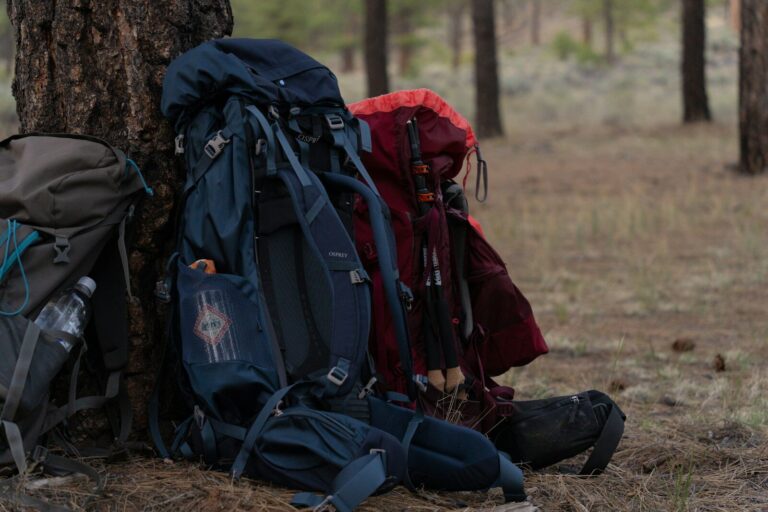
Hikers with knee problems or a history of knee injury who hike on trails with significant elevation gain and loss. Studies consistently show trekking poles reduce compressive force on the knee joint during descent by 25 percent or more — on a 2,000-foot descent, this is a meaningful difference in cumulative joint stress. Backpackers carrying heavy loads, for whom additional balance support reduces the probability of a load-induced fall. Hikers on river crossings, where poles provide additional stability against current. For young, fit, balanced hikers on moderate terrain with a day pack, poles provide minimal measurable benefit.
Using Poles Correctly
The wrist strap is used with the hand coming up through the bottom of the loop — not the intuitive top-of-strap grip most first-time users adopt. Adjust length so the elbow forms a 90-degree angle when the pole tip is planted on level ground. Shorten on uphills; lengthen on downhills to shift some descent load to the arms. Plant poles on opposite sides from the leading foot — left pole with right foot — to maintain a natural cross-body walking rhythm. Poles used without wrist straps and at incorrect length provide less than 20 percent of the joint protection benefit of correctly configured poles.