Backpacking Gear List for Your First Overnight Trip
Backpacking gear culture has a complexity problem that discourages beginners. The ultralight community debates ounces. The gear review ecosystem rewards new and expensive over proven and affordable. The actual gear required for a safe and enjoyable overnight in the backcountry is simpler and less expensive than the online conversation implies.
The Big Three: Shelter, Sleep System, Pack
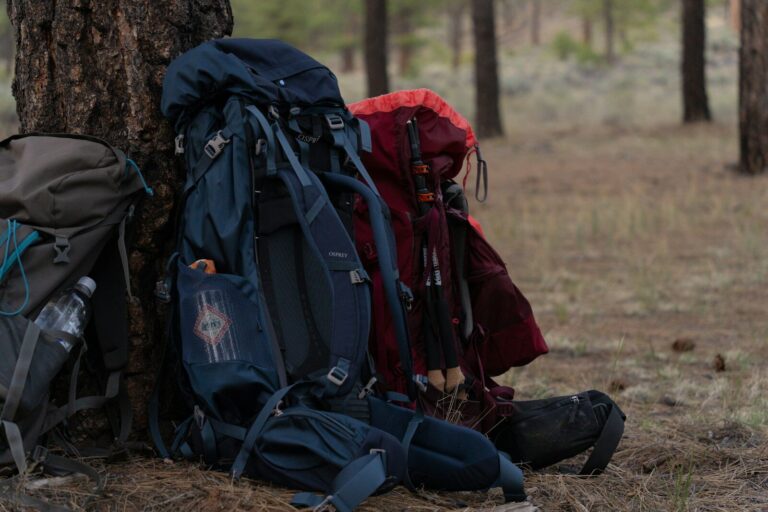
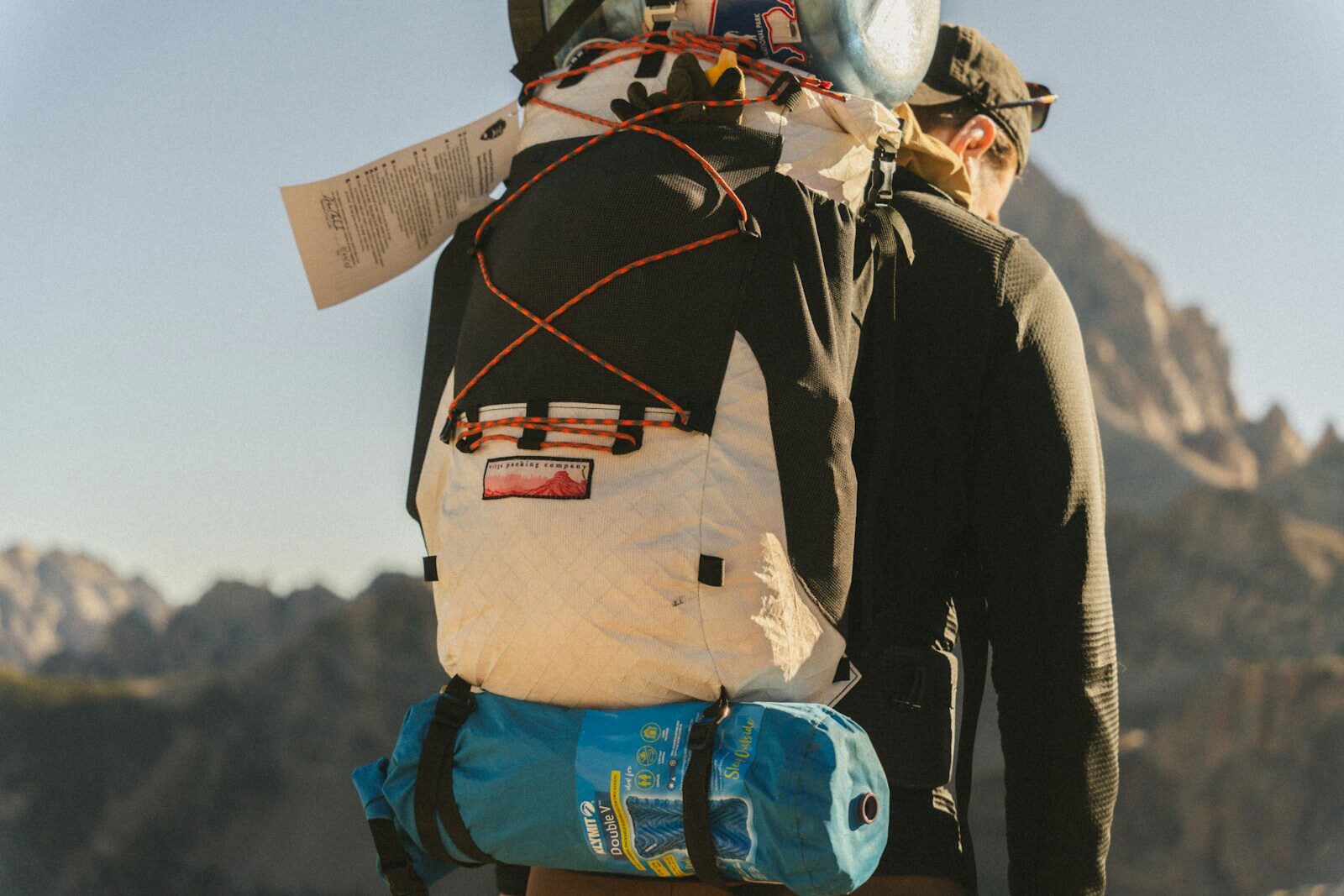
Tent: a two-person freestanding three-season tent from a reputable brand provides reliable shelter for three-season backpacking. Expect to spend $200 to $400 for quality. Sleeping bag: a 20°F down or synthetic bag covers most three-season backpacking in the continental US. Down is lighter and more compressible; synthetic insulates when wet. Sleeping pad: provides thermal insulation from the cold ground — more important for warmth than the bag itself at cold temperatures. Pack: sized for the trip length, fitted correctly to your torso length. Torso fit determines load distribution and comfort more than any other pack specification.
Water Treatment
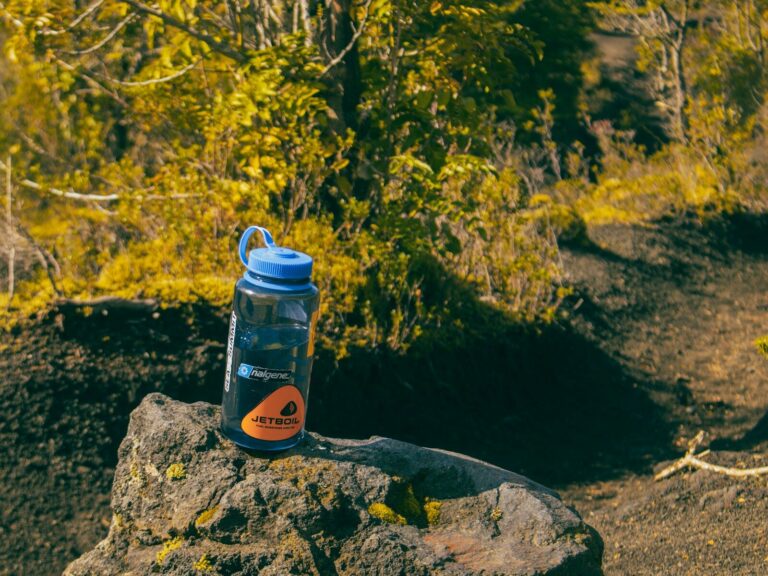
Water from natural sources can contain Giardia, Cryptosporidium, and bacteria. The Sawyer Squeeze filter is the standard recommendation for beginners — light, inexpensive, easy to use, and effective for all North American backcountry pathogens. Carry it and use it on every natural water source regardless of how clear the water appears.
Navigation
Download offline topo maps in Gaia GPS or CalTopo before every backpacking trip. Cell coverage in backcountry is unreliable. Offline maps work without signal. Carry a small compass and know how to orient a map to north. These two tools together provide navigation capability that persists through dead batteries and absent signal.