How to Choose a Hiking Backpack: Day Packs and Overnight Packs Explained
A badly fitting pack on a long hike grows incrementally more miserable with each mile. A well-fitted pack carrying the same load is virtually unnoticed at moderate distances. The difference is not primarily price — it is the fit of the pack to the specific body wearing it and whether the load is correctly distributed for the terrain.
Day Pack vs. Overnight Pack
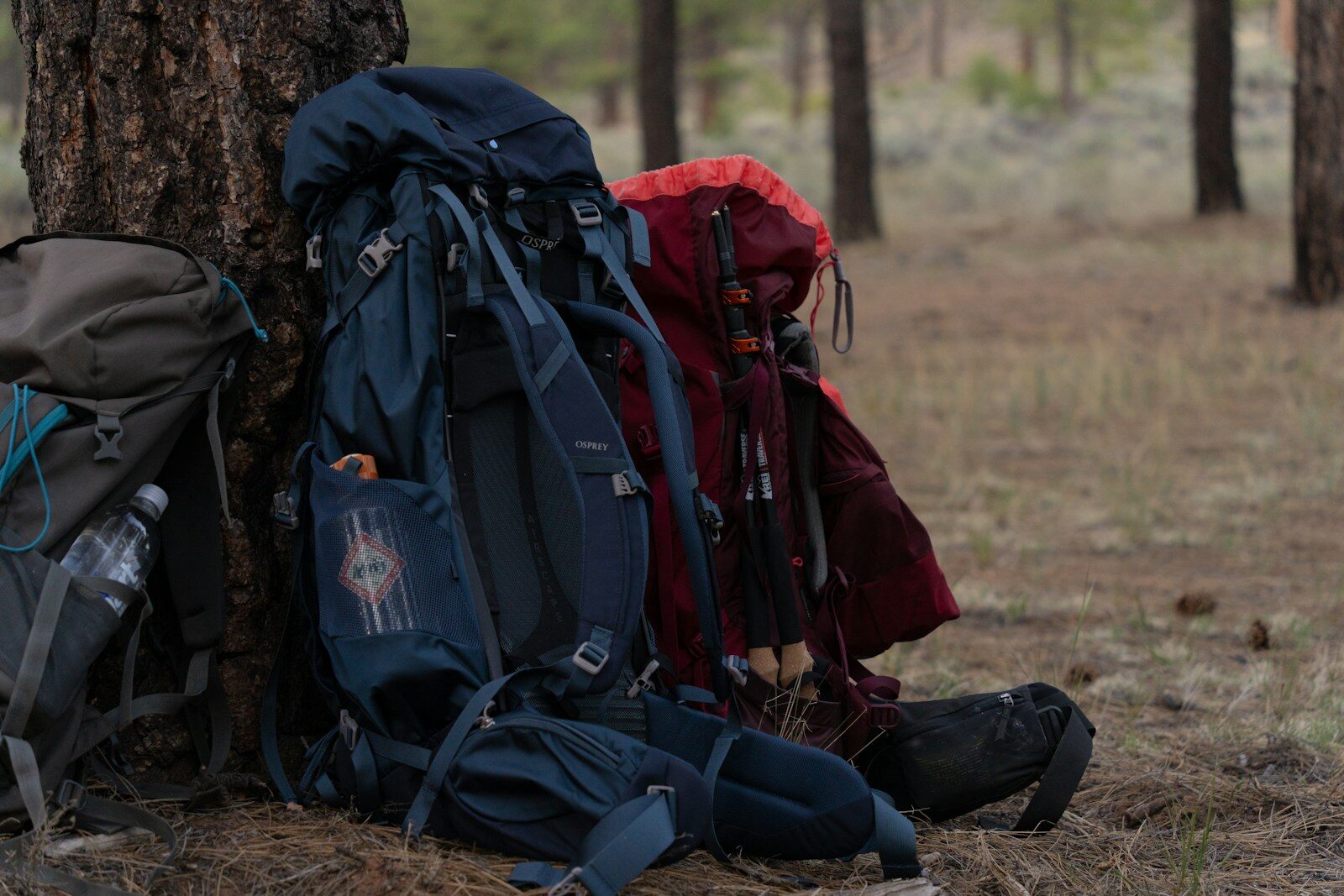
A day pack in the 15 to 25 liter range carries everything needed for a day hike — water, food, navigation tools, extra layers, and safety gear. An overnight pack in the 40 to 65 liter range carries the full backpacking kit. For first-time backpackers, renting from REI’s gear rental program for a first overnight is worth considering — it provides experience to make informed gear purchases rather than buying speculatively.
The Torso Fit Measurement
The torso length measurement from the C7 vertebra at the base of the neck to the iliac crest of the hip is the primary pack fit measurement. Most quality packs come in multiple torso sizes. A correctly sized pack distributes the hip belt load — which should carry 70 to 80 percent of pack weight — onto the hip bones correctly. An incorrectly sized pack puts the hip belt in the wrong position regardless of adjustment, resulting in load transfer to the shoulders and rapid fatigue. Get properly measured at a specialty outdoor retailer.