Hiking Boots vs. Trail Runners: How to Choose Your Footwear Correctly
Hiking footwear is the one gear investment where cutting corners produces immediate and unpleasant consequences — blisters on mile two of a ten-mile trail or twisted ankles from inadequate support on rocky terrain. It is also a category where marketing language is dense with terms that sound meaningful and often aren’t in specific contexts.
Trail Runners vs. Hiking Boots
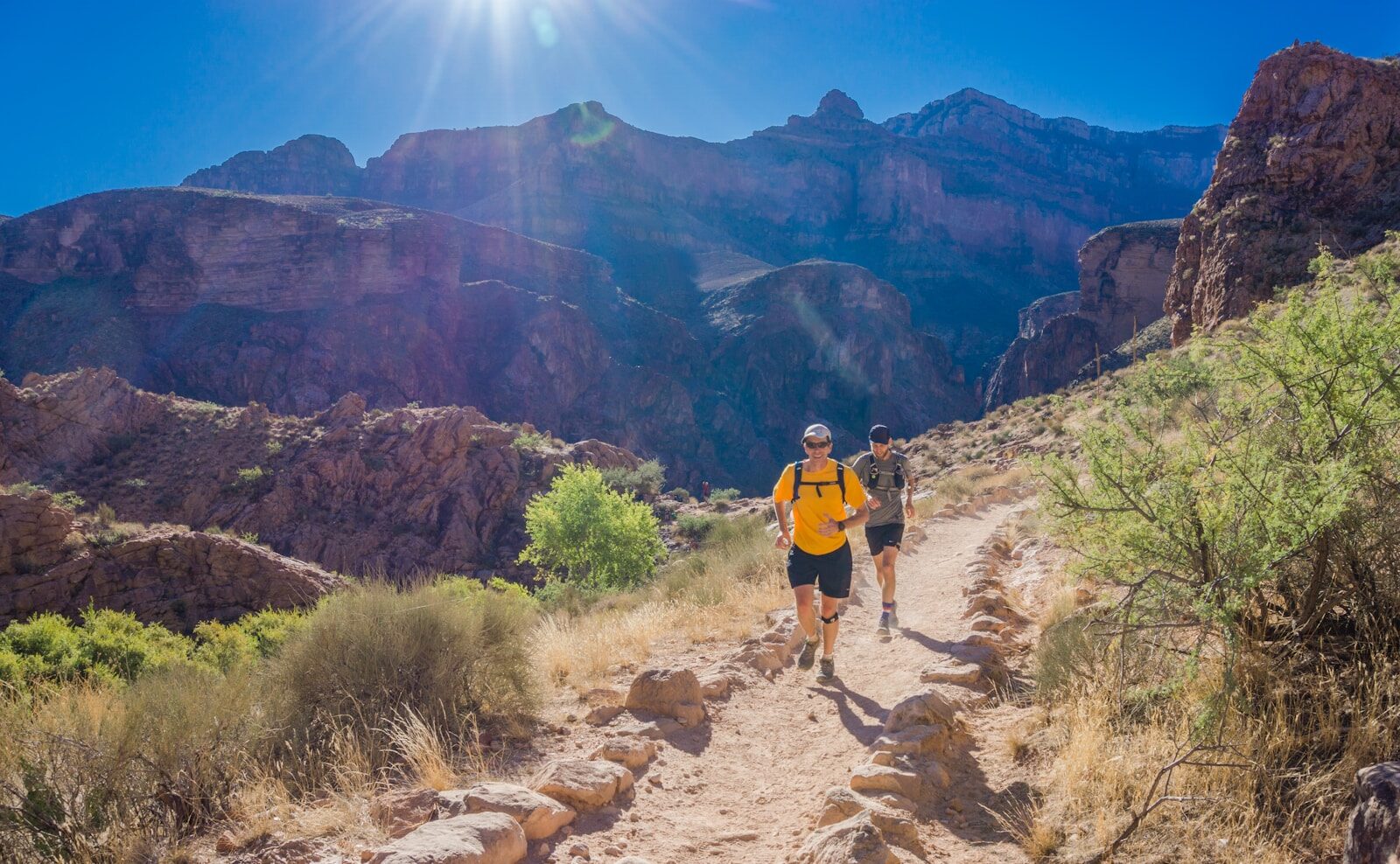
The traditional recommendation of heavy leather hiking boots has largely given way among experienced hikers to a spectrum of footwear. For well-maintained trails on moderate terrain with day hiking loads, a quality trail running shoe provides adequate protection, drains water better than waterproof boots when creek crossings occur, and is dramatically lighter — lighter footwear reduces energy expenditure and fatigue significantly over long distances. For rough, rocky terrain, heavy loads, or hikers with ankle instability, a stiffer boot with higher ankle support is the appropriate choice.
The Fit Is Everything
The best hiking footwear produces blisters in the wrong size. Visit a specialty outdoor retailer — REI, Backcountry, local outdoor shops — rather than buying online before you’ve been properly fitted. Try shoes in the afternoon when feet are slightly swollen. Wear the sock thickness you’ll wear on trail. There should be a thumb’s width of space between your longest toe and the front — toes jammed into the front during descents cause black toenails. The heel should not lift when walking. Walk on the inclined ramp good outdoor retailers provide to simulate downhill stress.
Waterproof vs. Non-Waterproof
Waterproof membranes like Gore-Tex prevent external moisture from entering but also trap moisture from sweat inside the shoe. In wet environments where you’ll regularly encounter puddles or rain, waterproof footwear keeps feet dry longer. In dry climates or on desert trails, waterproof footwear traps heat and moisture from sweat without providing meaningful benefit. Non-waterproof mesh shoes breathe much better and dry faster when they do get wet — often a better choice for summer desert hiking than waterproof alternatives.