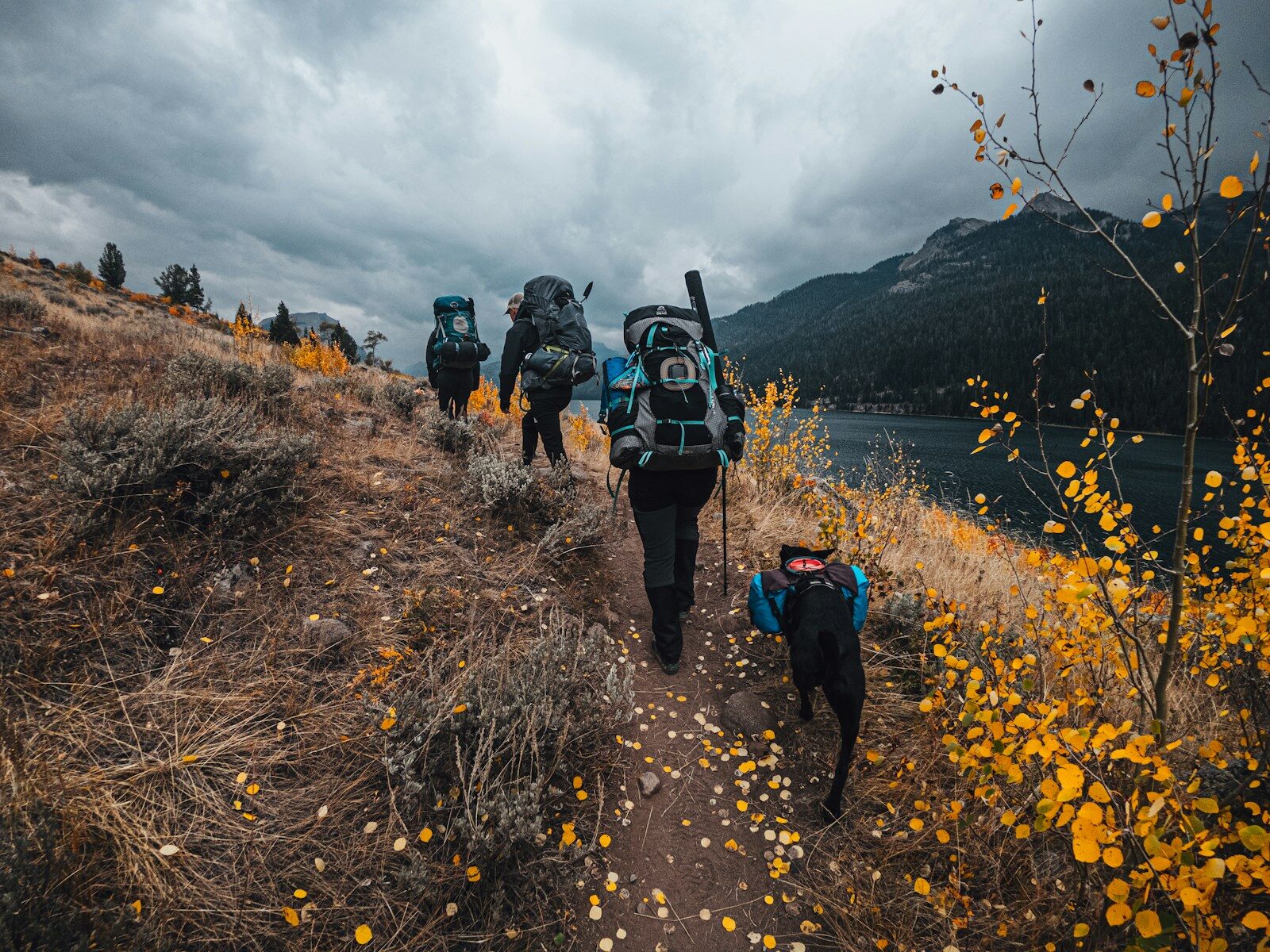
How to Start Hiking: The Honest Beginner’s Guide
The best hiking gear is the gear you actually take on the trail, and the best hiking strategy is the one that matches where you actually are in your fitness and experience. More beginners have a bad first experience from choosing a trail beyond their current capacity than from inadequate footwear. Before you spend a dollar on gear, choose appropriate first trails and build experience progressively.
Start With Day Hikes Near Home
Before you invest in a backpacking kit or plan a destination trip, do a series of day hikes at your local parks and conservation areas. These introductory hikes tell you whether you actually enjoy hiking as a physical activity, begin building the specific leg and cardiovascular fitness hiking demands, and help you understand your actual pace and water consumption on trail.
Choosing Your First Trails
AllTrails is the most comprehensive free trail database available. When evaluating a trail as a beginner, look at total distance, elevation gain, difficulty rating, and recent reviews from people with similar experience. Elevation gain is the variable most beginners underestimate — a five-mile trail with 2,000 feet of gain is dramatically harder than a five-mile flat trail. For first hikes, look for trails under five miles with under 500 feet of elevation gain and recent reviews indicating good conditions.
The Ten Essentials
The Ten Essentials is the classic minimum gear list: navigation, sun protection, insulation, illumination, first-aid supplies, fire starting materials, repair tools and knife, extra nutrition, extra hydration, and emergency shelter. For short day hikes in well-traveled areas with cell coverage, the list can be abbreviated. For longer hikes or remote areas, every item earns its weight.
Building Fitness Specifically for Hiking
Hiking fitness is distinct from general cardio fitness in ways that surprise people who exercise regularly in other modalities. The eccentric loading of the quads during descent — the controlled lowering of body weight down a steep grade — uses the muscle in a way that gym training and flat running do not replicate. Build hiking fitness by hiking progressively, starting with short hikes and adding distance and elevation gain gradually over successive weeks. The first few hikes will leave your legs more sore than you expected. The fifth and sixth will be significantly easier than the first.