The Layering System for Hiking: Three Layers That Handle Any Weather
The three-layer clothing system — base layer, mid layer, outer layer — is a functional response to the physiological reality that bodies generate variable amounts of heat during variable activity in variable weather. Understanding what each layer does tells you exactly what you need and what you can skip.
Base Layer: Moisture Management
The base layer sits against your skin and moves sweat away from your skin surface to prevent the cooling effect of wet skin against fabric. Wool and synthetic base layers accomplish this through different mechanisms. The material that does not work as a base layer is cotton — cotton absorbs moisture and retains it against your skin, cooling you continuously. “Cotton kills” is not hyperbole in cold or wet conditions; cotton worn as a base layer in cold wet weather contributes to hypothermia more than any other material choice.
Mid Layer: Insulation
The mid layer traps air warmed by body heat. Fleece jackets and down or synthetic puffy jackets are common mid layers. Down is lighter and more compressible but loses insulating value when wet. Synthetic insulates when wet and dries faster but is heavier and bulkier at equivalent warmth. In consistently dry conditions, down is the weight-conscious choice. In wet environments, synthetic or treated-down is more appropriate.
Outer Layer: Weather Protection
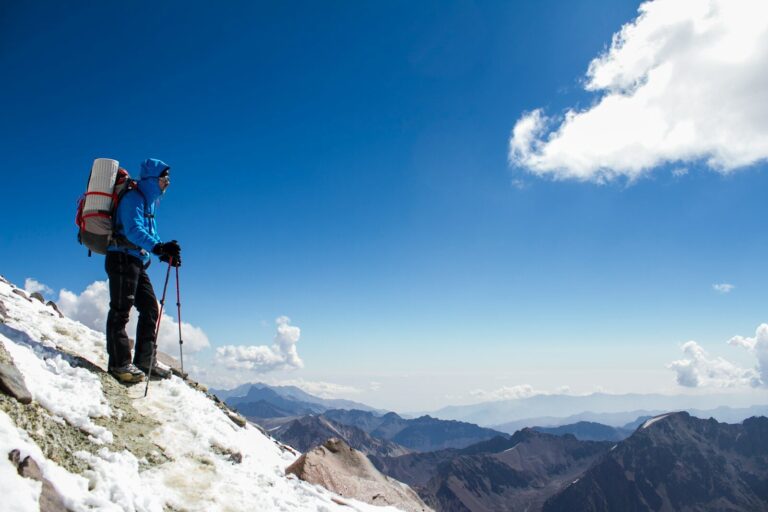
The outer layer blocks wind and precipitation without trapping moisture vapor from the body. A waterproof-breathable shell — Gore-Tex or equivalent — is the gold standard for wet mountain environments. A wind shell without waterproofing is adequate for dry climates where precipitation is the exception rather than the rule and weighs significantly less. In most mountain environments in the continental US, a packable waterproof shell is the right outer layer regardless of forecast because mountain weather changes faster than forecasts update.