How to Stay Safe in Bear Country: What the Evidence Actually Shows
Serious bear attacks on hikers and campers in the lower 48 states are rare — approximately one to two fatal attacks occur annually in a population of roughly 30 million annual national park visitors. The risk is real but small, and it is reducible through specific, well-documented practices. Understanding these practices and why they work is more useful than generic fear of bear country.
Food Storage: The Practice That Matters Most
Most habituated bears — the bears that approach campsites — were attracted to human food sources before becoming habituated. Food-conditioned habituated bears are eventually destroyed as a public safety threat. Food storage practices protect you in the short term and protect bears from being destroyed in the long term. Use a bear canister — required in many wilderness areas — or hang food using a proper bear hang from a bear box if one is provided. Store all food, scented items, and cooking equipment at least 200 feet from your sleeping area in all directions.
Making Noise and Carrying Deterrents
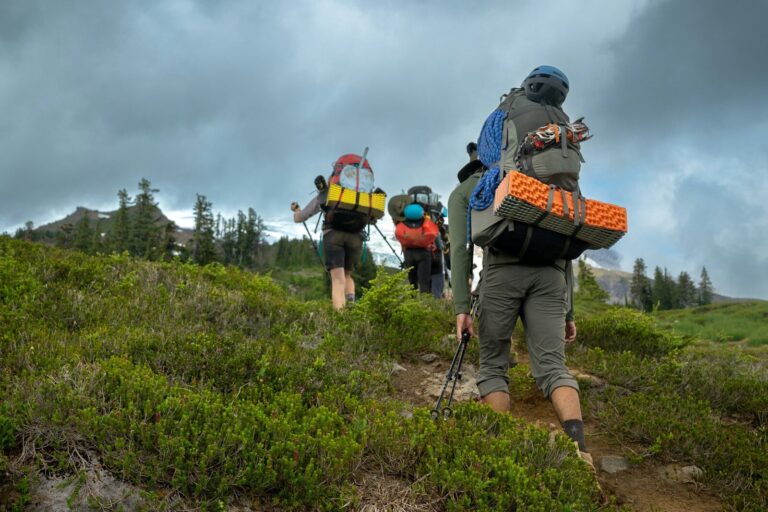
Bears that know a human is approaching have time to leave the area. The vast majority of encounters occur when a bear is surprised at close range, triggering a defensive response. Make noise while hiking — talking, calling out at blind corners, occasionally clapping. Bear spray is the most effective deterrent in a close encounter — studies of bear spray effectiveness in documented encounters show a higher rate of preventing injury than firearms. Carry it accessible on your hip, not in your pack, and know how to use it before you need it.